





Book News: Egypt Bans Ridley Scott’s ‘Exodus’ For ‘Historical
It is a long established fact that a reader will be distracted by the readable content of a page when looking at its layout.
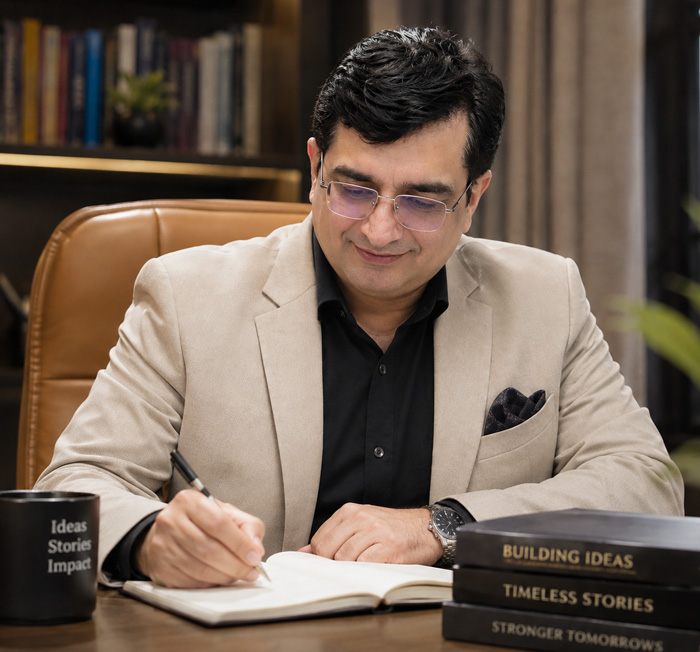
Some journeys build companies.
Some journeys transform lives.
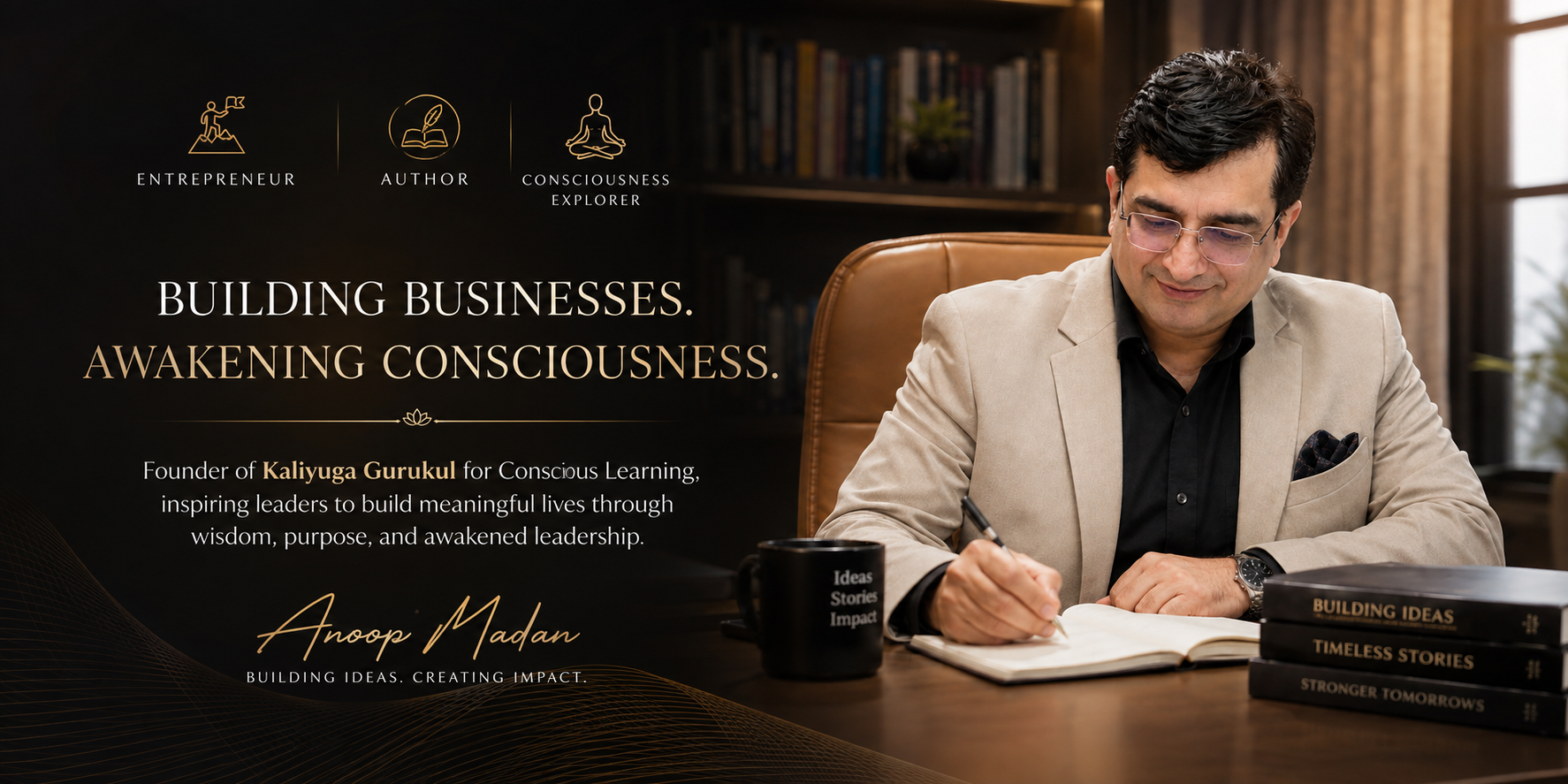
Anoop Shanker Madan has been fortunate to experience both.
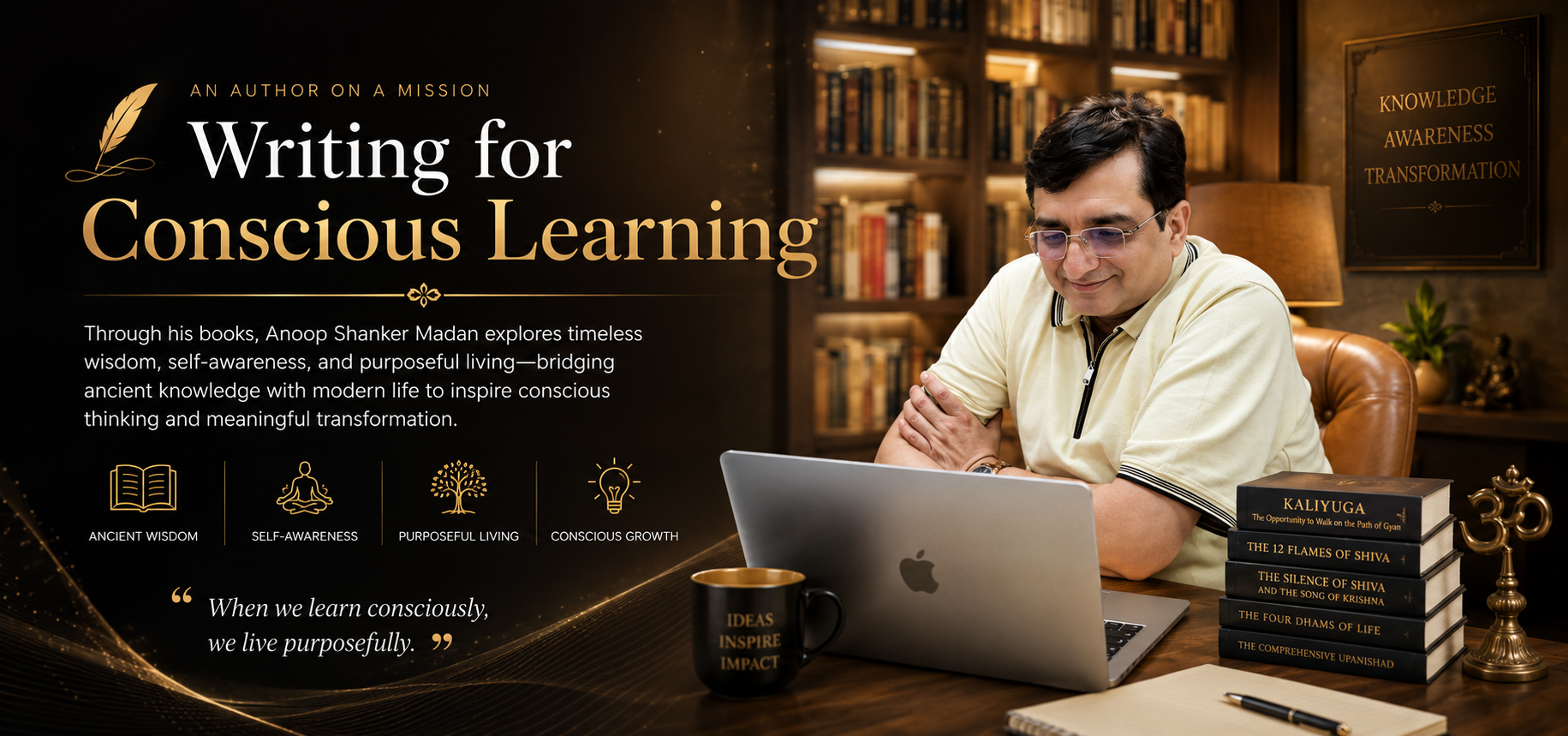
As a third-generation entrepreneur and Managing Director of Simplicity Projects Pvt. Ltd., he has spent nearly two decades leading industrial innovation. Alongside this professional path, his lifelong exploration of consciousness, Indian philosophy, leadership, and human potential has inspired him to become an author and founder of Kaliyuga Gurukul for Conscious Learning.
His mission is simple:

Turnkey bulk material handling systems — conveyors, elevators, stackers and reclaimers — built for cement, steel, food and chemical industries. 5,000+ customers, concept through commissioning.

A thoughtfully curated collection of books that inspires self-awareness, values, and purposeful living. Rooted in timeless wisdom and designed for today's world, the Kaliyuga Series empowers readers to navigate life with clarity, resilience, and consciousness.
Explore a collection of thought-provoking books that bridge timeless Indian wisdom with modern life, inspiring conscious leadership, self-discovery, and purposeful living.
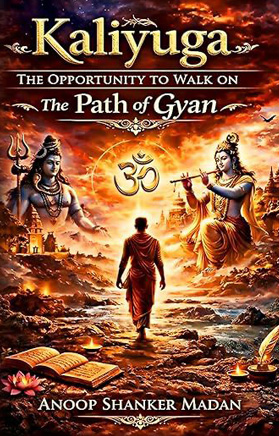
Kaliyuga is often described as the age of confusion, distraction, and spiritual decline. Most people see it as a period filled with challenges, uncertainty, and loss of values. However, this book was written to present a deeper and more hopeful perspective. The author believes that while Kaliyuga brings many difficulties, it also offers an extraordinary opportunity for self-discovery, inner growth, and spiritual awakening. The purpose of this book is to help readers understand that darkness itself can become the starting point for seeking wisdom and truth.
The book explores the true meaning of Kaliyuga and explains how modern-day challenges such as stress, ego, attachment, confusion, and material distractions affect human life. It introduces the principles of Gyan Marg, the path of knowledge, and guides readers through self-inquiry, awareness, karma, responsibility, and conscious living. Through practical reflections and spiritual insights, the book encourages readers to transform obstacles into opportunities and develop a deeper understanding of themselves and their purpose in life.

Human beings spend their lives searching for peace and happiness, yet many struggle to find lasting fulfillment. Some seek silence and withdraw from the world, while others immerse themselves in action and achievement. This book was written to demonstrate that true balance is found when both approaches are united. Through the symbolic wisdom of Shiva and Krishna, the author presents a path that combines inner stillness with conscious action, helping readers discover harmony in both spiritual and worldly life.
The book explores the psychology of the mind, the influence of the subconscious, meditation, detachment, awareness, purpose, relationships, and conscious action. Shiva represents stillness, observation, and inner peace, while Krishna represents wisdom, engagement, and joyful participation in life. Through a combination of spiritual philosophy and practical guidance, readers learn how to integrate both qualities within themselves. The book serves as a roadmap for achieving peace without escaping life and happiness without losing inner balance.
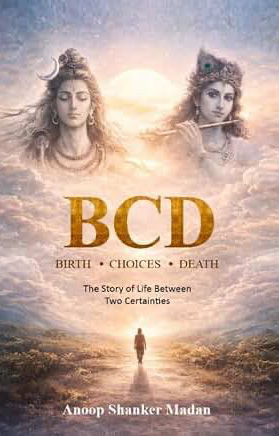
Every human being experiences birth and death, yet very few reflect deeply on what happens between these two certainties. This book was written to explore the significance of the choices that shape our lives. The author introduces the BCD philosophy—Birth, Choices, and Death—to help readers understand that while birth and death may not always be under our control, our choices define the meaning, direction, and quality of our lives.
The book examines the mystery of birth, the role of destiny, the power of free will, and the inevitability of death. It explores how every decision contributes to personal growth, relationships, success, failure, and spiritual evolution. Through thoughtful reflections and practical examples, readers are encouraged to take responsibility for their actions and become more conscious decision-makers. Ultimately, the book offers a powerful framework for understanding life as a journey shaped not by circumstances alone, but by the choices we make each day.

History remembers great spiritual masters for their wisdom, teachings, and influence, but their greatness was often shaped by the choices they made throughout their lives. This book was written to explore those defining decisions and reveal how ordinary individuals became extraordinary guides for humanity. The author aims to inspire readers by showing that greatness is not inherited—it is built through conscious choices.
The book presents life lessons from twenty-one influential spiritual leaders and thinkers, including Buddha, Mahavira, Confucius, Jesus Christ, Prophet Muhammad, Guru Nanak, Swami Vivekananda, and others. Rather than focusing solely on historical events, the book highlights the decisions, values, and principles that guided these masters. Readers will discover lessons in courage, compassion, discipline, truth, service, and self-realisation. By applying these timeless insights to modern life, individuals can develop greater wisdom and make more meaningful choices in their own journeys.
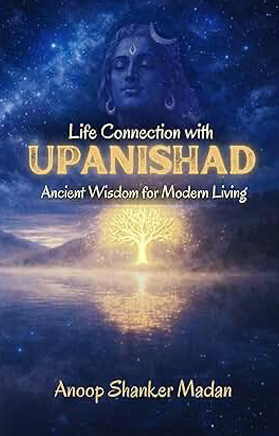
The Upanishads contain some of the deepest spiritual insights ever recorded, yet many modern readers find them difficult to understand or relate to everyday life. This book was written to bridge that gap by presenting the wisdom of the Upanishads in a practical and accessible manner. The author seeks to demonstrate that these ancient teachings remain highly relevant for navigating the challenges of the modern world.
Drawing inspiration from numerous Upanishads, the book explores themes such as self-awareness, consciousness, detachment, meditation, inner freedom, knowledge, and liberation. Each chapter connects a specific Upanishadic teaching with real-life situations, helping readers understand how ancient wisdom can guide personal growth, decision-making, and spiritual development. By translating profound philosophical concepts into practical lessons, the book encourages readers to live with greater awareness, clarity, and purpose.

In today's fast-moving world, people often struggle to find balance between spiritual growth, personal success, and inner peace. Many seek answers through religion, self-help philosophies, or material achievements, yet continue to feel incomplete. This book was written to provide a practical framework for living a meaningful and balanced life through the four timeless spiritual pathways—Bhakti Marg, Raja Marg, Gyan Marg, and Karma Marg. The author believes that true transformation occurs when devotion, discipline, knowledge, and action work together in harmony.
The book explains how the four dhams of life represent stages of inner development. Bhakti Marg develops devotion and discipline, Raja Marg cultivates mastery over the mind and body, Gyan Marg awakens wisdom and self-understanding, and Karma Marg guides conscious action in the world. Through spiritual insights, practical reflections, and modern-day applications, readers learn how to move from confusion to clarity and from passive existence to purposeful living. The book offers a complete roadmap for personal, spiritual, and practical growth.
In The Four Dhams of Life, the term "Four Dhams" does not refer to physical pilgrimage destinations. Instead, it represents four spiritual pathways that guide an individual's journey toward self-mastery, wisdom, and purposeful living. These four dhams are:
Importance: Bhakti Marg is the foundation of personal transformation. It teaches devotion, faith, humility, gratitude, and surrender. Through devotion to a higher purpose, individuals develop discipline and inner commitment. Bhakti helps reduce ego and creates the emotional strength needed for growth.
Key Insight: Devotion creates discipline.
Importance: Raja Marg focuses on mastering the mind, emotions, and inner world. It teaches self-discipline, concentration, meditation, and self-control. By understanding and managing the mind, individuals develop stability, clarity, and inner strength.
Key Insight: Discipline creates mastery.
Importance: Gyan Marg is the pursuit of wisdom and self-understanding. It encourages individuals to explore deeper questions about life, consciousness, purpose, and reality. Through knowledge and awareness, ignorance is replaced by understanding and insight.
Key Insight: Mastery reveals knowledge.
Importance: Karma Marg teaches the practical application of wisdom through action. It focuses on responsibility, duty, service, ethical decision-making, and conscious living. Knowledge becomes meaningful only when it is expressed through actions that benefit oneself and others.
Key Insight: Knowledge guides action.
The book presents these four dhams as a complete journey of human development:
The central message of the book is that a meaningful life is achieved when devotion builds discipline, discipline develops mastery, mastery reveals wisdom, and wisdom is expressed through conscious action. Together, these Four Dhams provide a practical roadmap for personal, spiritual, and professional growth.

The twelve Jyotirlingas have inspired seekers for centuries, yet many people know them only as sacred pilgrimage sites. This book was written to reveal their deeper symbolic and spiritual significance. The author presents the twelve flames of Shiva not merely as places of worship but as powerful principles that illuminate the human journey from ignorance to wisdom. The purpose of this book is to help readers understand how these ancient symbols can guide modern life.
The book begins by exploring the significance of Kaliyuga and humanity's search for meaning in a restless world. It then introduces Shiva as the eternal source of consciousness and transformation, followed by an explanation of the symbolism and spiritual significance of the twelve Jyotirlingas. Each Jyotirlinga is presented as a distinct flame of wisdom that supports a different stage of human growth and self-realisation.
Somnath – The Flame of Faith and Renewal Teaching us to rise again after loss, failure, and adversity.
Mallikarjuna – The Flame of Devotion and Surrender Teaching the power of love, trust, and connection with the Divine.
Mahakaleshwar – The Flame of Fearlessness Teaching us to overcome the fear of time, change, and death.
Omkareshwar – The Flame of Inner Harmony Teaching balance between mind, body, and consciousness.
Kedarnath – The Flame of Perseverance Teaching endurance, resilience, and spiritual strength during life's challenges.
BhimaShanker – The Flame of Inner Power Teaching victory over negativity, weakness, and inner conflict.
Kashi Vishwanath – The Flame of Wisdom Teaching self-awareness, knowledge, and the pursuit of truth.
Trimbakeshwar – The Flame of Purification Teaching responsibility, karma, and the cleansing of thoughts and actions.
Vaidyanath – The Flame of Healing Teaching transformation, recovery, and inner restoration.
Nageshwar – The Flame of Protection Teaching courage and freedom from fear, ignorance, and negativity.
Rameshwaram – The Flame of Dharma Teaching duty, humility, discipline, and righteous action.
Grishneshwar – The Flame of Compassion Teaching love, service, forgiveness, and spiritual completion.
Together, these twelve flames create a complete roadmap for personal and spiritual evolution. They guide the reader from faith to devotion, from courage to wisdom, from healing to responsibility, and ultimately toward inner freedom and self-realisation.

Many people wonder why certain individuals enter their lives, why unexpected events occur, and why some experiences leave a lasting impact. While life may appear random, there are often deeper patterns and connections operating beneath the surface. This book was written to help readers recognise these invisible threads and understand how relationships, circumstances, timing, and choices contribute to their personal journey.
The book explores destiny, relationships, life lessons, timing, karmic influences, and the hidden meaning behind everyday experiences. Readers are encouraged to look beyond surface appearances and discover the deeper purpose behind the people and situations they encounter. Through spiritual reflection and practical wisdom, the book helps individuals develop greater awareness, acceptance, and understanding of life's interconnected nature. It inspires readers to view challenges and opportunities as part of a larger journey of growth and self-realisation.
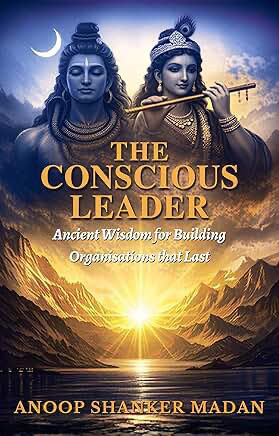
Leadership is often associated with authority, titles, and power. However, the author believes that true leadership begins long before a person manages a team or organisation. It begins with self-awareness, responsibility, and the ability to make conscious choices. This book was written to redefine leadership as a way of living rather than merely a professional role. It aims to help readers become leaders in their families, workplaces, communities, and personal lives.
The book explores leadership at multiple levels, beginning with self-leadership and progressing to family, workplace, organisational, and societal leadership. Readers learn about emotional mastery, decision-making, responsibility, ethics, team building, organisational culture, and legacy creation. Drawing upon spiritual principles and practical examples, the book demonstrates how conscious leadership can create lasting positive impact. It provides a holistic model for leading with wisdom, integrity, and purpose in an increasingly complex world.
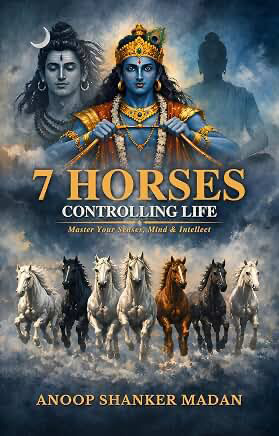
Human beings often feel overwhelmed by desires, emotions, distractions, and impulses. Ancient wisdom traditions have long compared life to a chariot driven by the mind and pulled by powerful horses representing the senses. This book was written to help readers understand this timeless metaphor and learn how to gain mastery over the forces that influence their thoughts, emotions, and actions.
The book explores the relationship between the senses, the mind, the intellect, and consciousness. It explains that life becomes chaotic when the senses run without guidance, but becomes purposeful when awareness takes the role of the charioteer.
The Seven Horses are presented as the seven forces that influence human behaviour:
Represents: Perception and Attention
This horse teaches that what we choose to focus on shapes our thoughts, desires, and actions. Mastering sight means learning to direct attention toward what is meaningful rather than becoming trapped by distractions.
Represents: Influence and Understanding
This horse reminds us that the voices we listen to—whether from society, media, or people around us—shape our beliefs and decisions. Conscious listening leads to wisdom.
Represents: Desire and Self-Control
The tongue symbolises not only food but all forms of craving and indulgence. Mastering this horse develops discipline and moderation.
Represents: Instinct and Awareness
This horse represents our natural tendencies and subconscious reactions. Understanding these instincts allows us to act consciously rather than automatically.
Represents: Attachment and Experience
This horse teaches us about comfort, pleasure, pain, and attachment. Mastery comes from experiencing life without becoming enslaved by temporary sensations.
Represents: Thoughts and Emotions
The mind constantly moves between past and future, creating anxiety, fear, and confusion. Learning to guide the mind is one of the most important lessons in personal growth.
Represents: Identity and Control
The final horse symbolises the false sense of self that seeks recognition, power, and validation. True freedom begins when awareness rises above ego and sees life with clarity.
Responsibility is often viewed as a burden that limits freedom. However, the author believes that responsibility is one of life's greatest gifts because it provides opportunities for growth, contribution, and self-discovery. This book was written to help readers understand the deeper meaning of responsibility and recognise its role in shaping character, purpose, and destiny.
The book examines responsibility in personal, professional, family, and spiritual contexts. It explores themes such as discipline, awareness, knowledge, action, leadership, duty, accountability, and service. Drawing lessons from spiritual teachings and practical life experiences, the book demonstrates how responsibility can become a source of strength rather than pressure. Readers learn how to align their actions with their values and embrace life's responsibilities with confidence, wisdom, and purpose.
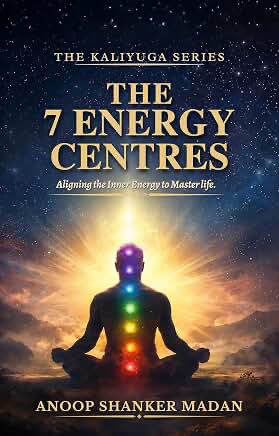
Many people attempt to change their lives by focusing solely on external circumstances while ignoring the inner energies that shape their thoughts, emotions, and behaviour. This book was written to help readers understand the powerful connection between inner energy and outer experience. The author aims to provide a practical understanding of the seven energy centres and their influence on human life.
The book introduces seven energy centres that influence every dimension of human life. These centres are presented not as abstract ideas, but as living forces that shape the way individuals think, feel, act, and relate to the world around them.
The Root Energy Centre forms the foundation of the entire system. It represents stability, security, discipline, and the instinct for survival. It influences how grounded and secure an individual feels while navigating life's challenges.
When this centre is balanced, it creates confidence, resilience, and inner stability. When disturbed, it can manifest as fear, insecurity, anxiety, and a constant sense of uncertainty.
Core Lesson: True growth begins with a strong foundation.
The Sacral Energy Centre governs desire, emotions, creativity, and relationships. It is the source of passion, inspiration, and emotional experience.
This centre teaches that desire itself is not the problem. Rather, the challenge lies in understanding and directing desire consciously. When balanced, it fosters creativity, healthy relationships, and emotional intelligence. When imbalanced, it can lead to attachment, dependency, and emotional instability.
Core Lesson: Desire becomes growth when guided by awareness.
The Solar Plexus Energy Centre represents personal power, self-confidence, ambition, and identity. It influences how individuals perceive themselves and how they engage with the world.
A balanced Solar Plexus develops courage, responsibility, self-discipline, and leadership. An imbalanced centre may create arrogance, insecurity, self-doubt, or a constant need for validation.
Core Lesson: True power comes from self-mastery, not control over others.
The Heart Energy Centre represents love, compassion, empathy, forgiveness, and connection. It serves as the bridge between personal needs and higher understanding.
This centre teaches individuals to move beyond self-centred living and develop meaningful relationships with others. Through love and compassion, people learn that genuine strength is found not only in achievement but also in connection.
Core Lesson: The strongest connections are built through compassion and understanding.
The Throat Energy Centre governs communication, self-expression, authenticity, and truth. It influences how individuals express their thoughts, emotions, and beliefs.
When balanced, it allows clear communication, confidence, and honesty. When blocked, it may create fear of expression, misunderstanding, or difficulty in speaking one's truth.
Core Lesson: Freedom begins when truth is expressed with courage and clarity.
The Third Eye Energy Centre represents awareness, perception, intuition, wisdom, and insight. It helps individuals look beyond appearances and understand the deeper realities of life.
This centre develops clarity of thought, conscious observation, and the ability to make wise decisions. Through awareness, confusion gives way to understanding, and reaction gives way to conscious choice.
Core Lesson: Awareness transforms information into wisdom.
The Crown Energy Centre represents higher consciousness, spiritual awakening, self-realisation, and connection with the Divine.
It symbolises the highest stage of human development, where individuals move beyond limited identities and experience a deeper connection with existence itself. This centre represents unity, inner peace, and the realisation that life is far greater than the ego's perception.
Core Lesson: The ultimate journey is the awakening of consciousness.

Industry Outlook 2026 Award for Excellence in Conveyor Component Manufacturing
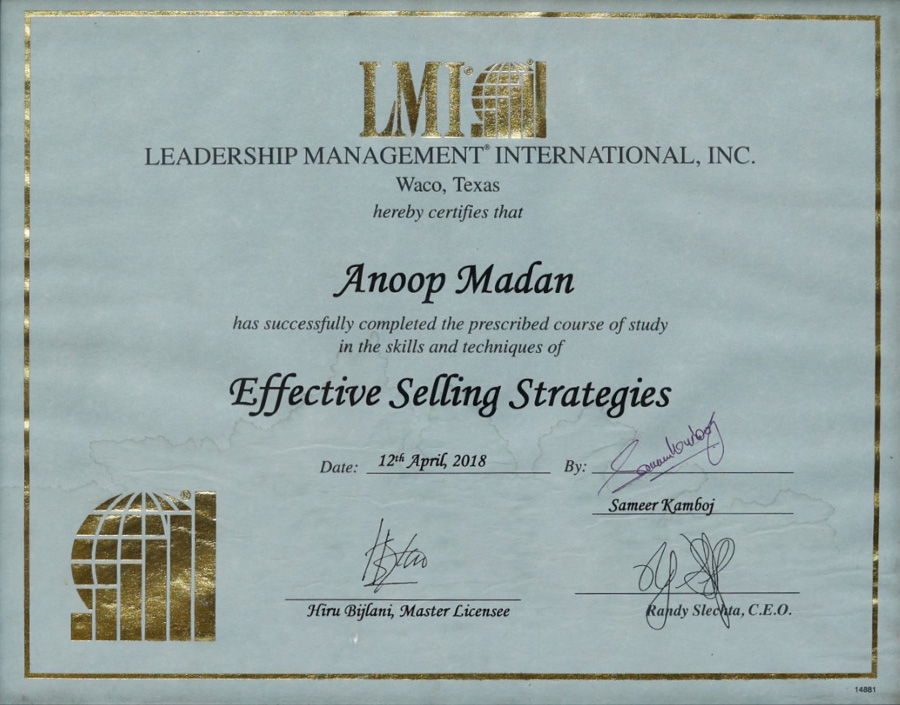
Certified in Effective Personal Productivity by Leadership Management International (LMI), USA.
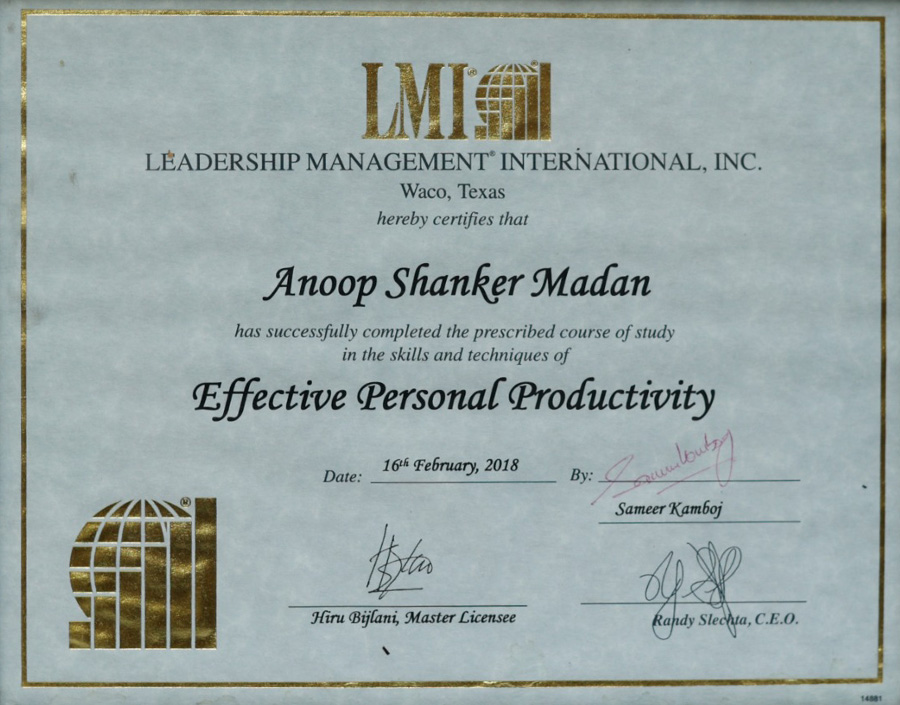
Certified in Effective Personal Productivity by Leadership Management International (LMI), USA.
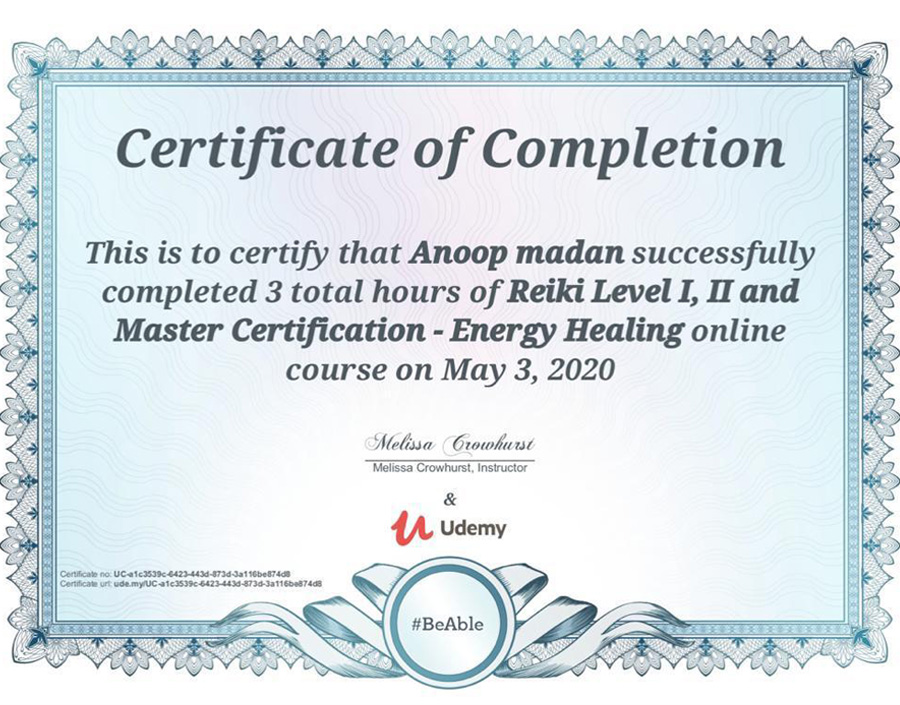
Certified Reiki Master, reflecting a commitment to holistic well-being, energy healing, and conscious personal growth.
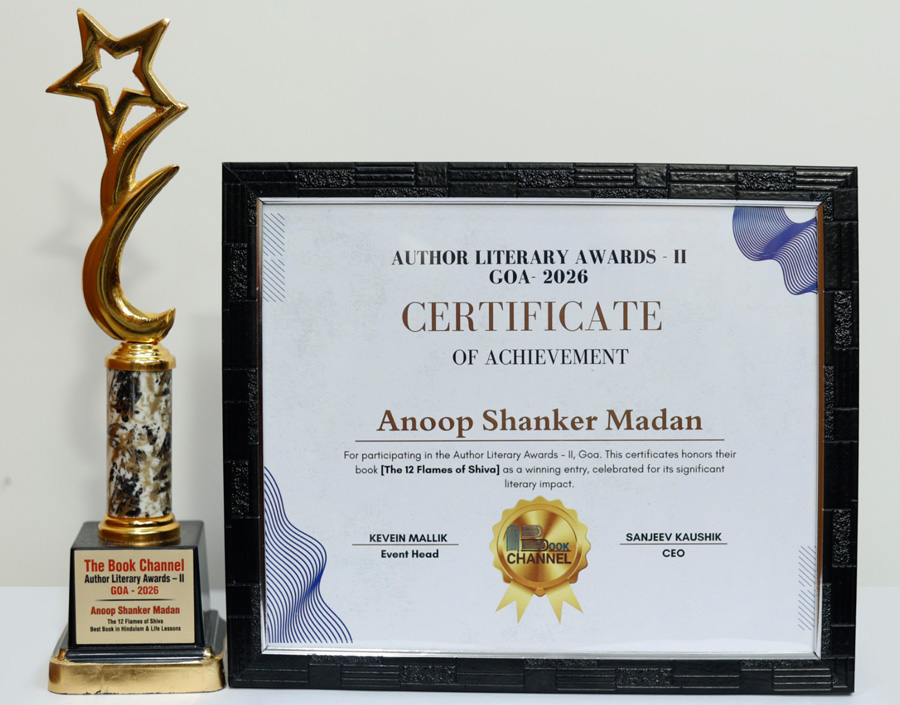
Winner of the Author Literary Award 2026 (Goa) for The 12 Flames of Shiva, recognized for inspiring readers through timeless wisdom.
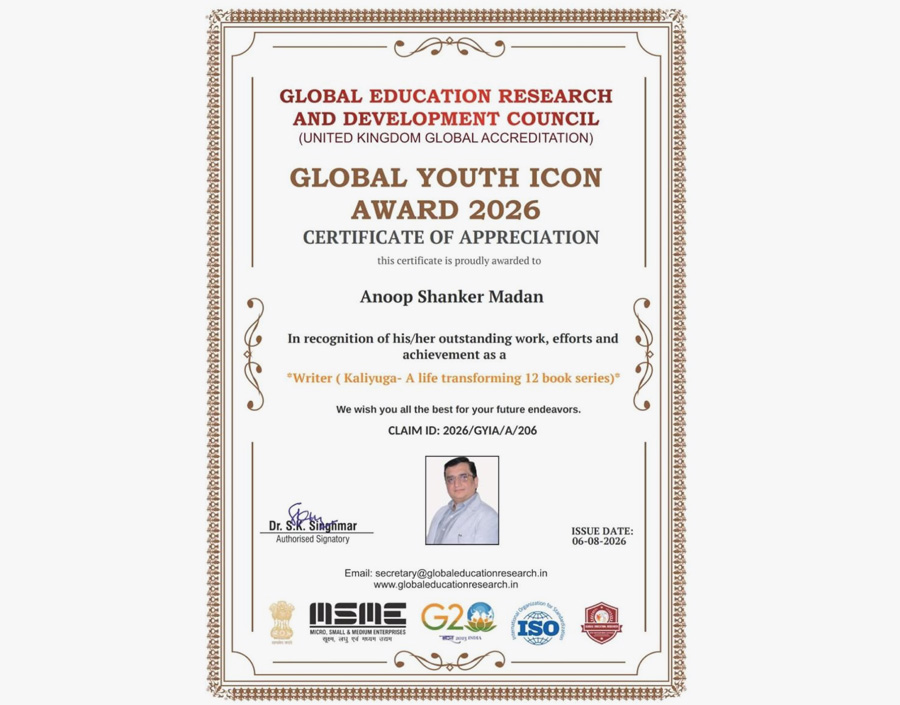
Global Youth Icon Award 2026, recognized for outstanding work and achievements as a writer, inspiring readers through the transformative Kaliyuga 12-book series.